Hair loss is a concern that affects millions of people across all ages and genders. Whether it’s thinning hair, receding hairlines, or bald patches, the emotional impact can be significant. Fortunately, modern solutions have evolved far beyond traditional remedies. Two of the most discussed options today are hair repair treatments and hair transplant surgery. But how do they differ—and which one should you choose?
Let’s break it down.
What is Hair Repair?
Hair repair refers to non-surgical treatments aimed at improving hair health, reducing hair fall, and stimulating natural growth. These methods focus on strengthening existing hair follicles rather than replacing lost ones.
Common Hair Repair Treatments Include:
- PRP (Platelet-Rich Plasma) therapy
- Hair serums and topical treatments
- Laser therapy
- Nutritional supplements
- Scalp treatments
Pros of Hair Repair:
- Non-invasive and generally painless
- Minimal to no downtime
- More affordable than surgery
- Suitable for early stages of hair thinning
Cons of Hair Repair:
- Results may vary and take time
- Not effective for advanced baldness
- Requires consistency and long-term commitment
What is Hair Transplant?
Hair transplant is a surgical procedure where hair follicles are taken from one part of the scalp (usually the back or sides) and implanted into bald or thinning areas.
Popular Techniques:
- FUT (Follicular Unit Transplantation)
- FUE (Follicular Unit Extraction)
Pros of Hair Transplant:
- Permanent and natural-looking results
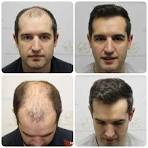
- Effective for moderate to severe hair loss
- One-time procedure (in most cases)
Cons of Hair Transplant:
- Expensive compared to non-surgical methods
- Requires recovery time
- Possible risks like infection or scarring
- Results take several months to fully appear
Key Differences at a Glance
| Feature | Hair Repair | Hair Transplant |
|---|---|---|
| Procedure Type | Non-surgical | Surgical |
| Cost | Lower | Higher |
| Downtime | Minimal | Moderate |
| Results | Gradual, maintenance-based | Permanent, visible growth |
| Best For | Early hair thinning | Advanced hair loss |
Which One Should You Choose?
The right choice depends on your hair condition, budget, and expectations.
- Go for Hair Repair if:
- You are in the early stages of hair loss
- You want a non-invasive approach
- You are looking to improve hair quality and thickness
- Consider Hair Transplant if:
- You have significant bald patches
- Other treatments haven’t worked
- You want a long-term, permanent solution
Final Thoughts
There is no one-size-fits-all answer when it comes to treating hair loss. Hair repair treatments are ideal for prevention and early intervention, while hair transplants offer a more definitive solution for advanced cases. Consulting a qualified specialist can help you determine the most effective path based on your individual needs.
In many cases, a combination of both approaches delivers the best results—repairing existing hair while restoring lost areas.
Your hair journey is personal—choose wisely, and invest in solutions that align with your goals.